
Character Inspiration

Understanding Character Development
Character development is a crucial aspect of storytelling. It involves creating characters that are multidimensional, with their own set of beliefs, values, motivations, and backstories. A well-developed character can make a story more believable and engaging. One of the key aspects of character development is understanding the character's arc, which refers to the transformation or growth the character undergoes throughout the story. This arc can be influenced by various factors, including the character's goals, conflicts, and relationships with other characters.
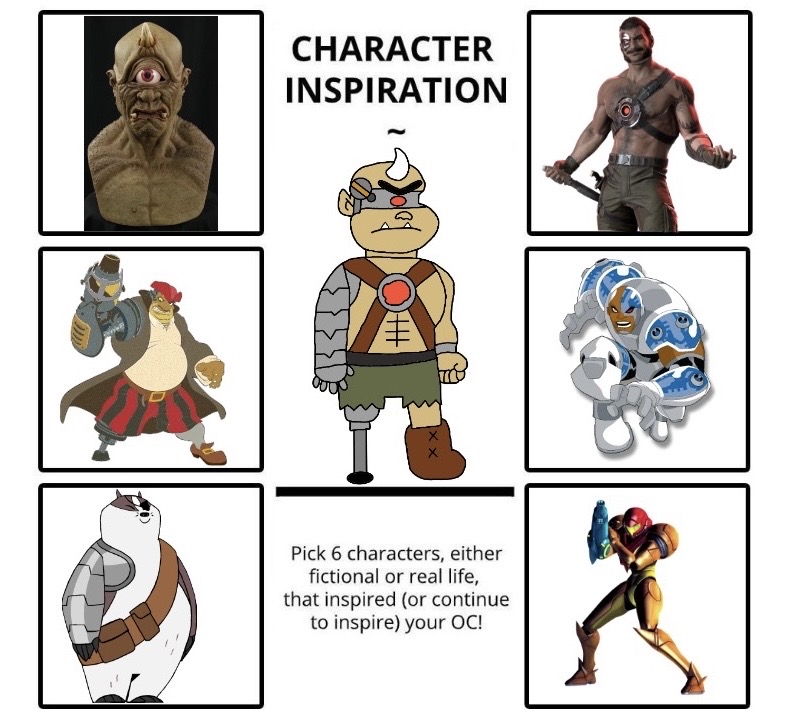
Sources of Inspiration
Characters can be inspired by a wide range of sources. Real-life people, whether historical figures, friends, family members, or even strangers, can serve as excellent inspirations. Observing people's behaviors, mannerisms, and interactions can provide valuable insights into human nature, which can then be applied to creating realistic characters. Additionally, fictional characters from literature, film, and television can also inspire new character creations, and understanding character inspiration can help in crafting unique and engaging characters. Analyzing what makes these characters compelling and how they contribute to their respective stories can help in developing well-rounded characters.
Literature as a Source
Literature is a rich source of character inspiration. From the classic heroes of ancient myths to the complex protagonists of modern novels, literary characters can offer a deep well of inspiration. Reading widely across different genres and periods can expose writers to a variety of character types, each with their own distinct voice, motivations, and conflicts. Understanding how authors develop their characters, through dialogue, action, and narrative, can provide valuable lessons for writers looking to craft their own memorable characters.
Real-Life Observations
Observing real people and their interactions is another potent source of character inspiration. People-watching in public places, listening to their conversations, and noticing their mannerisms and behaviors can all contribute to creating well-rounded characters. Real-life experiences and personal relationships can also serve as a basis for character development. Drawing from personal experiences can add authenticity to characters, making them more relatable and believable to readers.
Crafting Unique Characters
Crafting unique characters involves more than just assigning them different physical appearances or backgrounds. It requires delving into their psychological depths, understanding their motivations, desires, and fears. Giving characters distinct voices, through their dialogue and internal monologues, can also make them stand out. Additionally, characters should have their own set of flaws and strengths, making them more human and relatable. The key to creating unique characters is to avoid stereotypes and clichés, instead opting for complexity and depth.
The Role of Setting
The setting of a story can also play a significant role in character inspiration. The time period, location, and cultural context can all influence the characters' beliefs, values, and behaviors. For example, a character living in a futuristic, dystopian city would likely have a different worldview and set of challenges than one living in a contemporary, rural setting. The interaction between characters and their environment can reveal a lot about their personalities and can serve as a rich source of inspiration for character development.
Character Evolution
Characters should not remain static throughout a story. They should evolve, learn, and grow in response to the challenges and conflicts they face. This evolution can be influenced by their interactions with other characters, their experiences, and their reflections on these experiences. Showing character growth and development can make a story more engaging and satisfying, as it provides readers with a sense of progression and resolution.
Challenges in Character Creation
One of the challenges in character creation is making characters believable and relatable. This can be achieved by giving them universal desires and fears, despite their unique circumstances. Another challenge is avoiding the creation of characters that are too perfect or too flawed, as both can be unrealistic and unengaging. Finding the right balance between a character's strengths and weaknesses is key to creating a believable and compelling character.
Conclusion
Character inspiration is a dynamic and ongoing process that can come from a variety of sources. From real-life observations and personal experiences to fictional characters and settings, the possibilities for character inspiration are endless. The key to crafting memorable characters is to make them multidimensional, with their own distinct voices, motivations, and conflicts. By understanding character development, drawing from a wide range of inspirations, and avoiding common pitfalls, writers can create characters that captivate and resonate with their readers.
FAQs
What is the importance of character development in storytelling?
Character development is crucial as it makes the story more believable and engaging, allowing readers to connect with the characters on a deeper level.
How can real-life observations contribute to character inspiration?
Real-life observations can provide insights into human nature, behaviors, and interactions, which can be applied to create realistic and relatable characters.
What makes a character unique?
A character's uniqueness can stem from their distinct voice, motivations, desires, fears, and the balance between their strengths and weaknesses, avoiding stereotypes and clichés.
Can settings influence character inspiration?
Yes, settings can significantly influence character inspiration by affecting the characters' beliefs, values, and behaviors, and by providing a context for their actions and interactions.
How does character evolution contribute to the story?
Character evolution makes the story more engaging and satisfying, providing readers with a sense of progression and resolution as characters learn, grow, and change in response to challenges and conflicts.